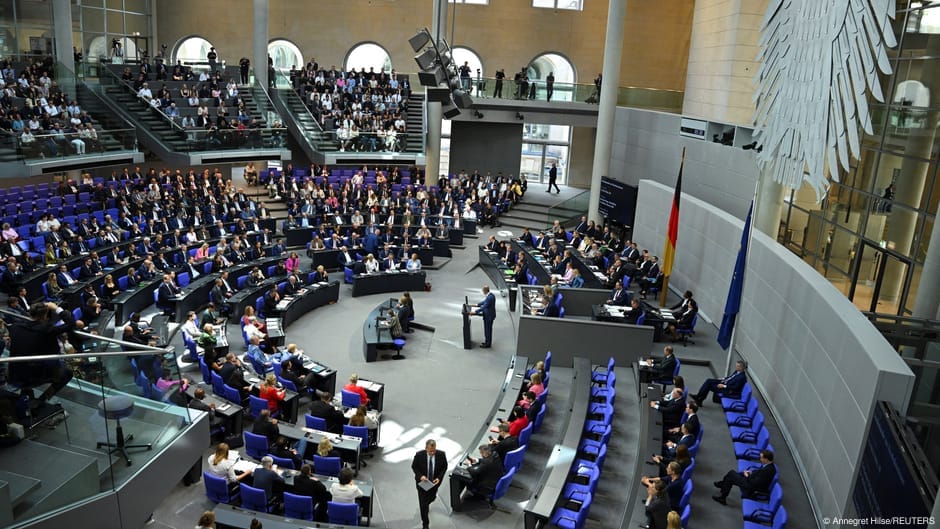
Germany’s Bundestag Budget Committee has approved the draft 2027 budget following negotiations lasting around 16 hours. The proposal is scheduled for a final vote in the Bundestag on 27 November.
The government of Friedrich Merz plans to take on €210 billion in new debt next year. That would give Germany its second-largest borrowing capacity since the Second World War. The only higher figure was €215 billion in 2021, when the Covid-19 pandemic was continuing.
With a total volume exceeding €560 billion, the 2027 budget would provide the government with its highest annual spending capacity to date. Merz’s coalition government had pledged on taking office to strengthen infrastructure that had lacked sufficient investment for many years and to restructure the military.
Defence spending is set to rise by €27 billion from the previous year to about €110 billion in 2027. Germany moved defence expenditure outside borrowing limits last year. The increase is intended to fund military modernisation and equipment needs.
During the committee talks, planned taxes on plastics were dropped. The introduction of taxes on sugary drinks, including lemonade and iced tea, was also postponed until January 2028.
The government’s plan to cut the electricity tax remains uncertain. More than €5 billion in funding would be needed, but the draft budget contains no line item for that purpose. The tax reduction, which was expected to lower bills for individual consumers, was among Merz’s key promises.
The draft also envisages savings in basic social assistance for jobseekers from the new year. Funding for basic support payments, housing and heating costs is to be reduced by more than €1 billion, while the federal budget contribution to pension insurance in 2027 is set to be €3 billion lower.