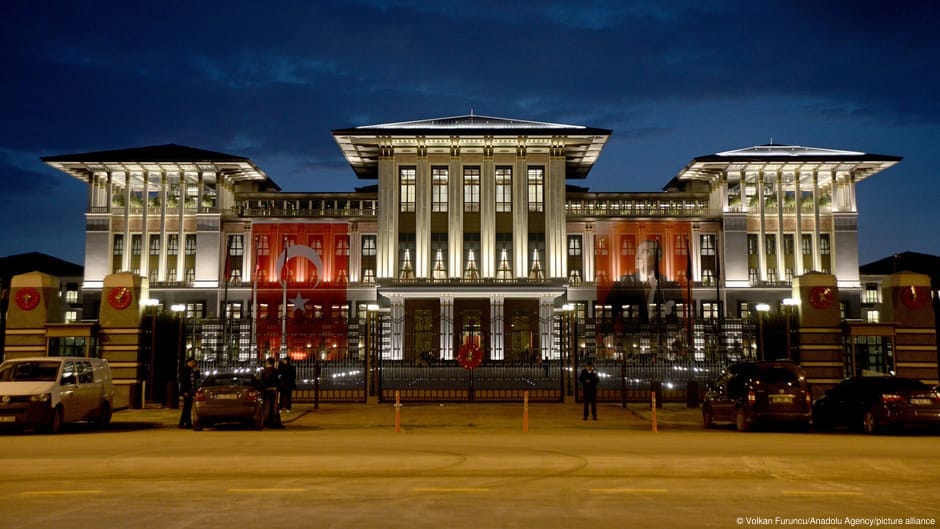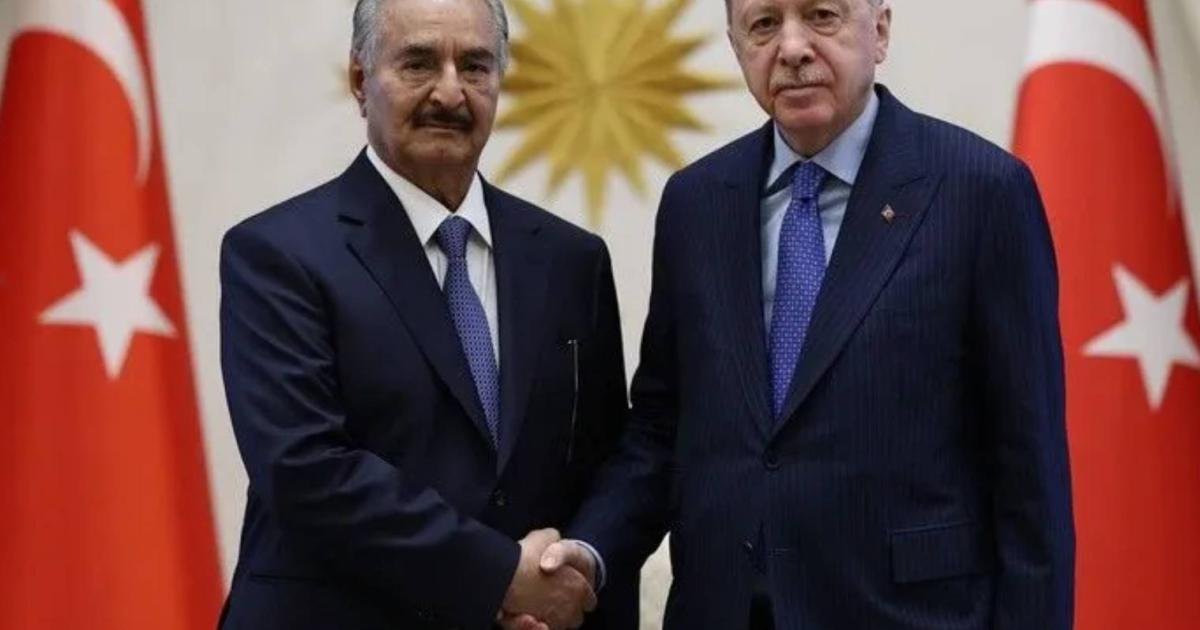
Khalifa Haftar’s visit to Ankara and his formal meetings with President Recep Tayyip Erdoğan and Turkish officials have renewed discussion about Libya’s political and diplomatic balance. In Gürbüz Evren’s assessment, Haftar approved the Turkey-Libya Memorandum of Understanding on the Delimitation of Maritime Areas, which he had opposed in 2019. The article interprets Haftar’s decision to bring his sons on the visit as a sign that he wants to open a new chapter in relations with Turkey.
The analysis says the European Union and the European Parliament had previously maintained close relations with Haftar and opposed the Turkey-Libya memorandum in solidarity with Greece and the Greek Cypriot administration. According to the source text, the European Parliament adopted a decision declaring the memorandum invalid and void, citing claims concerning the sovereign rights of third states and maritime law. The author argues that Haftar’s change of position weakened a key argument available to those actors.
France’s Libya policy is also examined through President Emmanuel Macron’s contacts with Haftar. The text states that Macron received Haftar in Paris on May 28, 2018, and May 22, 2019, while Haftar returned to Paris for another meeting with Macron on March 9, 2020. The source says Macron accused Turkey on June 23, 2020 of “playing a dangerous game” in Libya and said Turkey’s role threatened Europe and Africa and was unacceptable.
Evren further states that Macron received Haftar at the Élysée Palace on February 26, 2025, praised his opposition to the maritime delimitation memorandum and stressed that Haftar was the main actor in Libya. The author contends that Turkey’s Libya policy aimed to protect the Tripoli administration recognized by the United Nations and reconcile the sides around the goal of “one Libya.” The source text, however, does not provide a definitive conclusion on how Haftar’s Ankara contacts will affect the calculations of external actors.