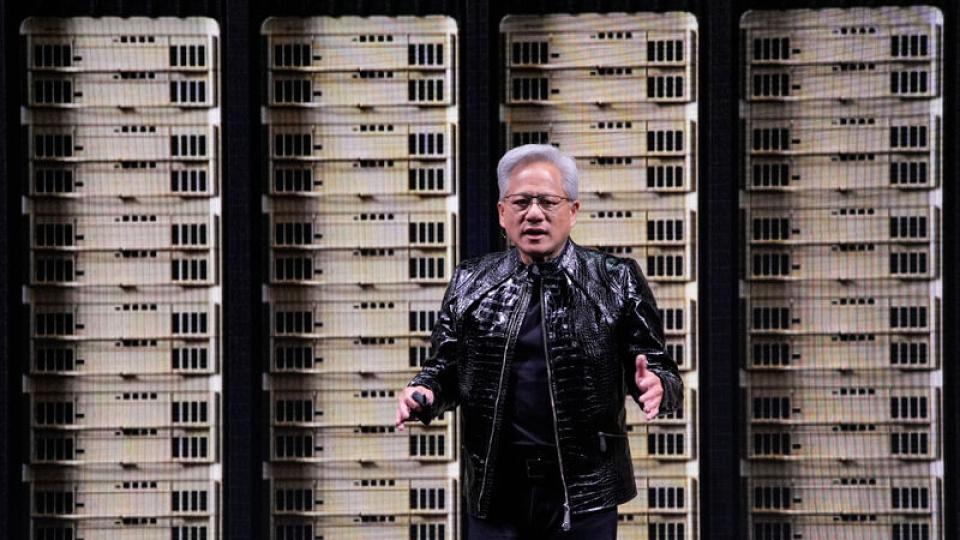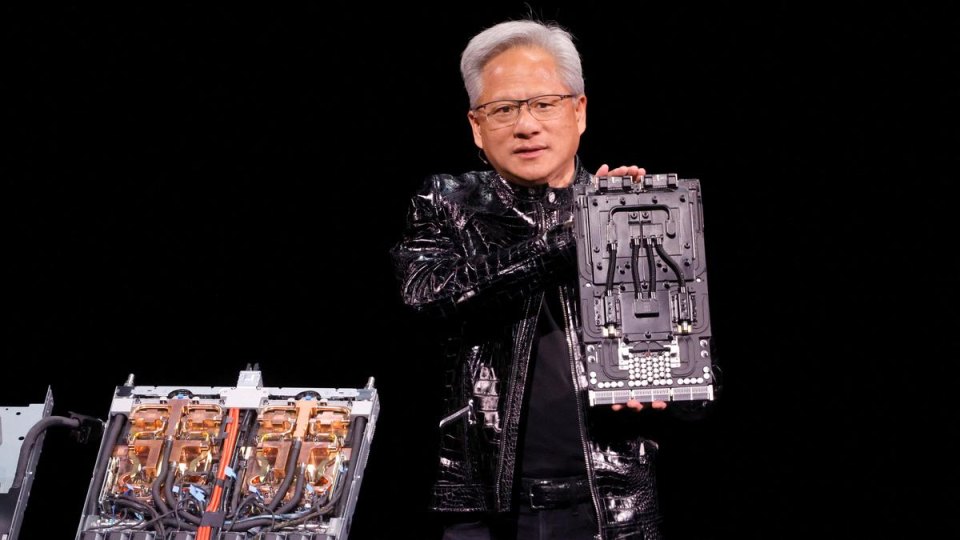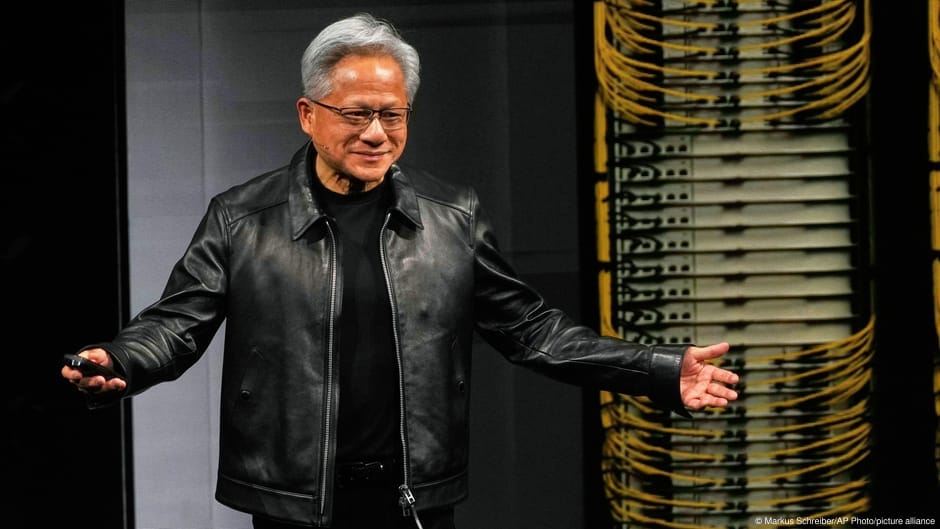
Nvidia announced that Jensen Huang had resigned with immediate effect from his roles as company president, chief executive and board member. According to the source material, the board met on Wednesday after reports concerning alleged extramarital relationships involving Huang, and the decision was announced on Thursday. Nvidia’s internal rules allow its 11-member board to remove a chief executive by majority vote “with or without cause”.
The allegations involving Huang first concerned a reported relationship with a senior executive who reported directly to him. A subsequent report, citing unnamed sources, alleged a relationship between Huang and another company employee. The source material further states that the new allegations surfaced three days after Huang reportedly acknowledged a relationship with Alice Huang, a Chinese woman whom US intelligence agencies suspected of spying for China.
Alice Huang is not related to Jensen Huang and was a former executive at Singapore-based technology company Megaspeed, according to the source text. Megaspeed operates AI data centres across Southeast Asia and is described as an important Nvidia customer. The US government is said to be investigating suspicions that the company secretly sent some Nvidia chips to China in breach of Washington’s export restrictions on advanced semiconductors. Megaspeed denied the allegations, while Alice Huang was reportedly barred from entering Singapore and Taiwan.
Chief Financial Officer Kress was reportedly appointed interim chief executive while the board works with advisers to identify permanent candidates. The source material lists Kress, other senior executives, and Huang’s daughter Madison and son Spencer among names discussed as possible candidates. Jeffrey Sonnenfeld of the Yale School of Management also raised the names of Tim Cook and Eric Schmidt. US President Donald Trump backed Cook in a social-media message, saying, “One legend is replacing another legend.”
The allegations were reported to have had a sharp effect on Nvidia’s valuation and shares. The source text says that when the first claims emerged last Sunday, the company’s market value fell by more than $600 billion to $4.2 trillion. Its shares fell 10 percent at the start of the week and were down more than 9 percent in pre-market trading on Thursday. Some analysts, however, said they did not expect a significant short-term impact on sales because demand for advanced chips remained high.
Dan Ives, a partner, senior managing director and technology analyst at Yorkville Ives, said Huang’s departure “did not change Nvidia’s entrenched position in the chip race of the AI revolution”. Analysts nevertheless said the longer-term risk could lie in setting and executing company strategy. Huang was described as central to Nvidia’s relationships with large AI infrastructure providers, Taiwanese chipmaker TSMC and foreign governments, and as the company’s principal lobbyist on US chip-export rules.
Nvidia has grown from the small startup Huang founded in 1993 into a company with substantial expertise in chip design and software. The source material says its profit exceeded $120.1 billion last year. Some analysts argue that Nvidia’s central role in AI hardware infrastructure makes it less dependent on Huang’s day-to-day management decisions. The selection of a permanent leader, the company’s strategic direction and its relationships with major customers are among the issues now in focus.