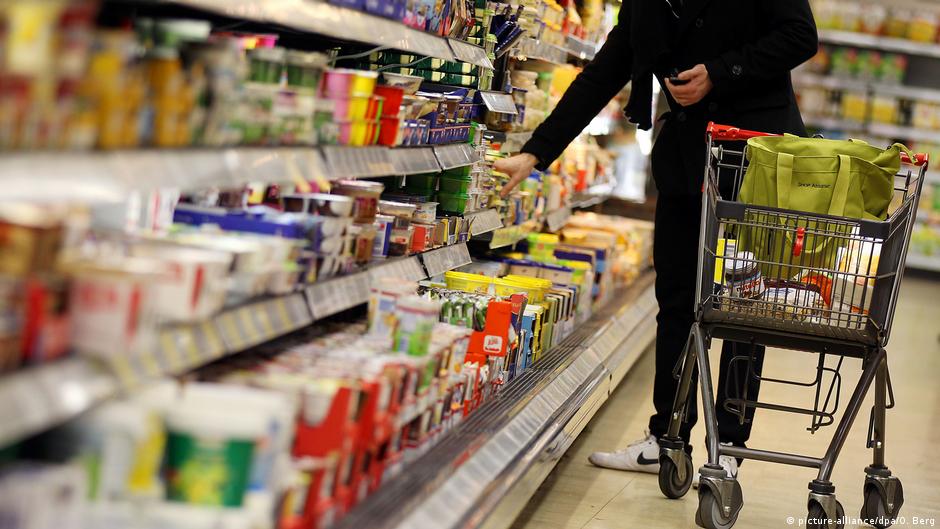
Cyberattacks on supermarket refrigeration systems in Europe reportedly pushed temperatures as high as 50 degrees and led to the disposal of tonnes of food. The incidents began in France and were also reported in Belgium, Sweden and Ireland, while blood storage facilities were affected as well. It has not yet been established whether the attacks were carried out by the same people or what their motives were.
Professor Tuna Tuğcu, a former faculty member of Boğaziçi University’s Department of Computer Engineering, said the Danfoss AK-SM 820A, 850A and 880A models highlighted by the attacks are also marketed on the company’s Türkiye page. It is not known which supermarkets in Türkiye use the equipment or whether the systems have been updated. Tuğcu said systems in Türkiye remain exposed to the same risk until the vulnerability is patched.
In the first major wave of attacks on 10-11 October, refrigeration systems were affected at hundreds of stores belonging to the E. Leclerc, Intermarché and Coopérative U chains in France, and fresh and frozen products were destroyed. Further incidents were reported on 2 November at Delhaize and Carrefour stores in Belgium, ICA and Coop stores in Sweden, and SuperValu stores in Ireland. At one ICA store in Sweden, refrigerator temperatures reached 50 degrees, while a butcher in Belgium said about 15,000 euros worth of meat had become unusable.
Electronic control devices in supermarkets regulate temperature and energy consumption, and businesses and service providers can connect to these systems remotely. According to Tuğcu, a security weakness in a control device or a service provider’s infrastructure could allow attackers to access systems at more than one supermarket. In the European incidents, temperature settings were assessed to have been changed through remote access and the defrost function activated in some systems, although the specific vulnerability used has not been disclosed.
France’s cyber incident response centre CERT-FR issued an alert for Danfoss AK-SM and AK-SC systems and Copeland/Dixell XWEB systems. According to Censys, the number of internet-exposed systems across those two product families fell from 6,695 on 9 October to 3,124 on 5 November. Despite the 53 percent decline, thousands of devices remain accessible; being internet-exposed alone, however, does not mean that every device has a security vulnerability.
CERT-FR recommends removing devices from direct internet access, applying security updates and providing remote connectivity through protected networks. Tuğcu also said devices should undergo security certification before use and that remote access should be provided through a virtual private network. He said the ministries of Trade, Health and Interior, along with the Cyber Security Presidency, should clarify whether they have examined which businesses received the devices and whether supermarkets have been given security guidance and support.