Children are more likely to fall ill with influenza and ARVI during the cold season. The Sanitary and Epidemiological Committee has reminded parents of the main preventive measures intended to reduce the risk of infection and complications. It said protection depends on a combination of vaccination, hygiene practices and keeping unwell children at home.
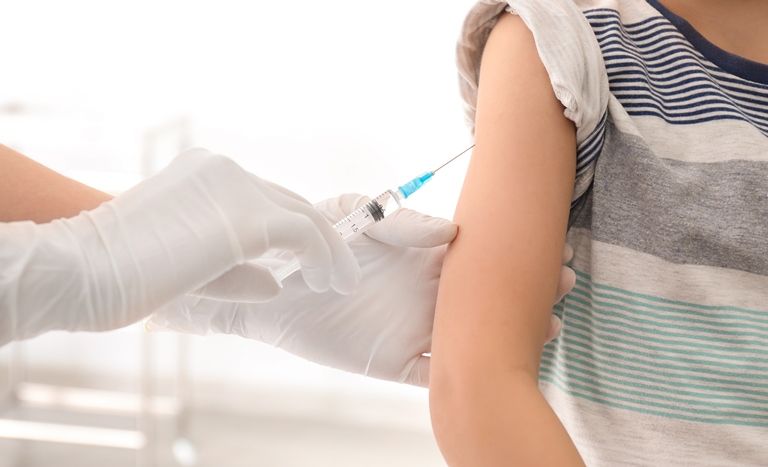
Vaccination remains one of the most effective ways to protect against influenza, according to the committee. It can help reduce the risk of illness, severe infection and complications. Vaccination is recommended before the seasonal increase in cases begins, although the appropriate timing should be discussed with a doctor. Before vaccination, a specialist will assess the child’s health and check for possible contraindications.
Parents should also monitor how their children are feeling. High temperature, chills, weakness, headaches and muscle aches, a runny or blocked nose, cough and sore throat may indicate ARVI or influenza. If these symptoms appear, parents are advised to keep the child at home rather than send them to school, kindergarten, clubs or sports activities, helping to lower the risk of infecting other children. The committee said a doctor should be consulted at the first signs of illness and that children should not be given medicines without a specialist’s prescription.
Everyday hygiene is also important, the committee said. Children should be taught to wash their hands with soap after walks, before meals and after using the toilet; where this is not possible, an age-appropriate antiseptic may be used. During coughing or sneezing, the mouth and nose should be covered with a tissue or the elbow crease, and used tissues should be discarded immediately before hands are washed. Rooms should be aired regularly, wet cleaning should be carried out, and frequently touched surfaces such as door handles, tables, switches and gadgets should be cleaned. Adequate sleep, proper nutrition, sufficient fluids and daily walks in suitable weather are also important. Seasonal growth in influenza and ARVI cases in Uzbekistan is usually observed from November to February, while the Health Ministry says the epidemiological situation in the country is stable.