Tajik exporters can apply online for trade certificates, but paper copies are still required for some shipments to clear customs. Tajikistan is working with its Central Asian trading partners on exchanging and recognising electronic documents so that goods can cross borders faster and at lower cost.
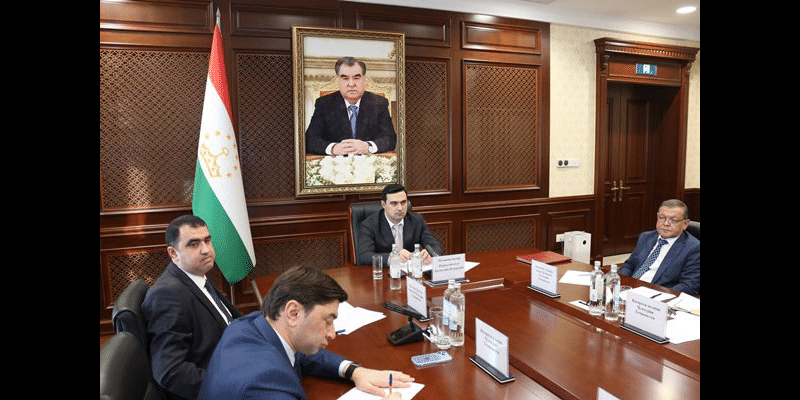
At its November 23 meeting, Tajikistan’s Coordinating Committee on Trade Facilitation reviewed the work of a group implementing an Asia-Pacific agreement on paperless trade. In its account of the meeting, the Ministry of Economic Development and Trade did not provide a start date for cross-border exchanges or identify partner countries.
Since 2020, Tajik businesses have been able to use a single online platform to apply for 24 types of permits and certificates issued by 11 government agencies. A 2025 feasibility study by the United Nations Economic and Social Commission for Asia and the Pacific (ESCAP) examined the process used by exporters shipping goods from Tajikistan to Kazakhstan. Exporters could apply electronically for a certificate of origin, which identifies where goods were produced, but still had to provide the carrier with a paper copy for presentation to Kazakh customs officials.
ESCAP identified Kazakhstan as a potential partner for a pilot project on the electronic exchange of certificates of origin. It estimated that setting up the system would cost the two countries $314,400 and could save government agencies about $204,000 a year, while businesses could save a further $202,000.
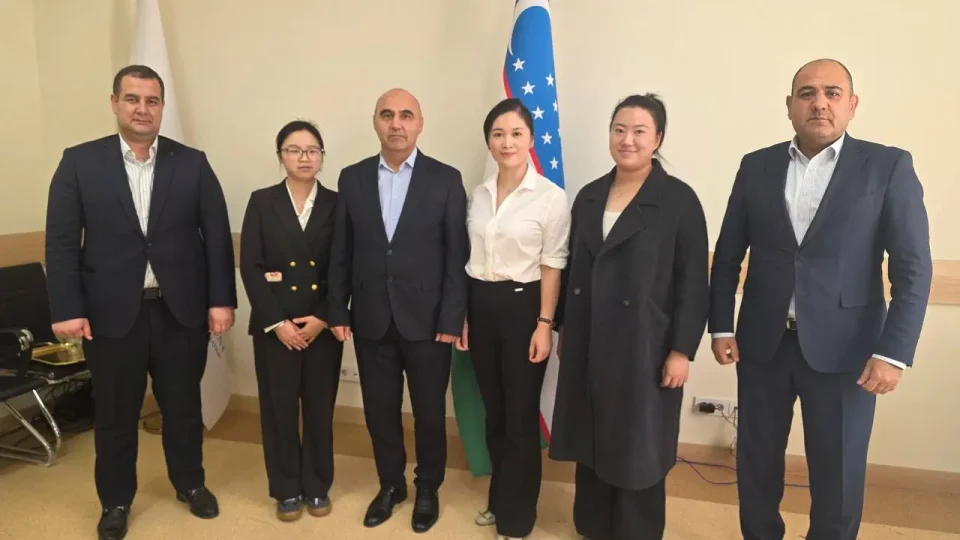
Tajikistan and Uzbekistan signed an agreement on March 26, 2026, to exchange and recognise electronic certificates of origin. At an April 30 meeting in Tashkent, technical experts from both countries discussed the data to be exchanged and the methods for transmitting it. Differences in national regulations nevertheless remain an obstacle. Businesses consulted by the Organisation for Economic Co-operation and Development (OECD) reported delays at Uzbek border crossings when plant health inspectors requested certificates that Tajikistan did not routinely issue.
Companies also cited unclear requirements for transport documents and discrepancies between the Tajik and Russian versions of Tajikistan’s regulations. According to the OECD, Tajikistan ranked third in Europe and Central Asia for the pace of trade facilitation reforms between 2022 and 2024, although its overall 2024 score was below those of Kazakhstan and Kyrgyzstan. Tajikistan’s foreign trade rose 35.1% year on year to $11.79 billion in the first ten months of 2026. Imports increased by 41.2% and exports by 15.2%, while China remained the country’s largest trading partner, followed by Russia and Kazakhstan.