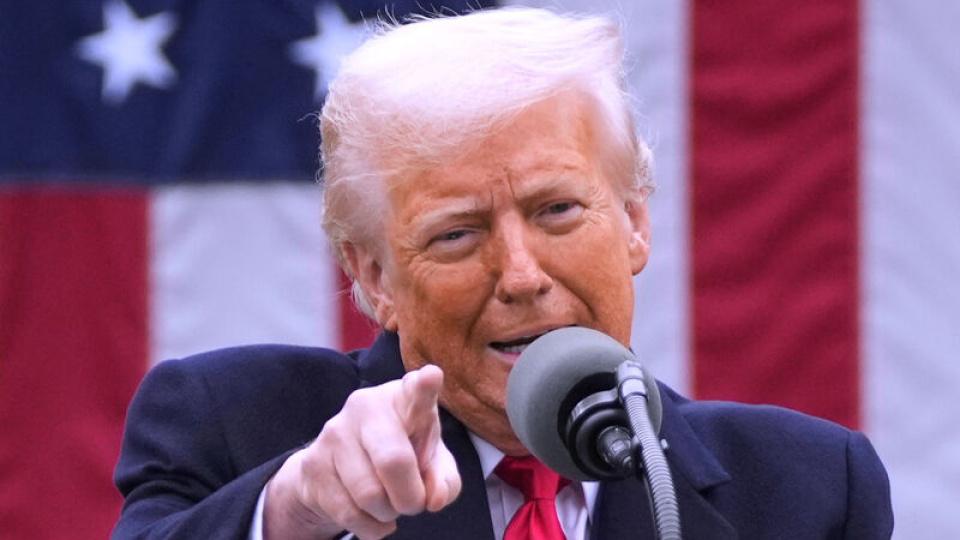
The administration of US President Donald Trump has proposed additional tariffs on 14 trading partners following investigations into structural excess capacity and overproduction in manufacturing. The investigations were conducted under Section 301 of the Trade Act of 1974. The provision allows the US Trade Representative to respond to foreign government actions and practices considered unjustified, discriminatory, or restrictive of US commerce.
The list covers China, the European Union, Singapore, Switzerland, Indonesia, Malaysia, Cambodia, Thailand, South Korea, Vietnam, Taiwan, Bangladesh, Japan, and India. US Trade Representative Jamieson Greer said the industrial strategies of some trading partners rely on encouraging production, restraining wage growth, financial support, and using resources at non-market prices. In his assessment, such measures distort market competition, shift the trade balance in favor of those countries, and weaken the US manufacturing base.
Under proposals published by the Office of the US Trade Representative, the maximum additional tariffs would reach up to 20% for China, up to 35% for Vietnam, and up to 25% for India. Rates of up to 15% were proposed for the European Union, Japan, South Korea, Switzerland, and Taiwan. Bangladesh, Cambodia, Indonesia, Malaysia, and Thailand would face rates of up to 18%. The proposed rates vary by country and product category, while exemptions are envisaged for certain goods.
The proposals do not mean that new tariffs have been imposed. The Office of the US Trade Representative has submitted them for public comment, with written comments and requests to participate in the hearings accepted until January 5, 2027. Public hearings are scheduled for January 25. During Trump’s second presidential term, the administration has repeatedly announced plans to raise import tariffs and impose tariff restrictions, citing the need to support US manufacturers and create jobs.
On February 20, 2026, the US Supreme Court ruled that the International Emergency Economic Powers Act does not give the president the authority to impose tariffs. The decision concerned tariffs imposed under that law and did not remove the administration’s authority to use other provisions of trade legislation. Section 232 of the Trade Expansion Act of 1962, for example, permits import restrictions where imports are deemed to threaten US national security.