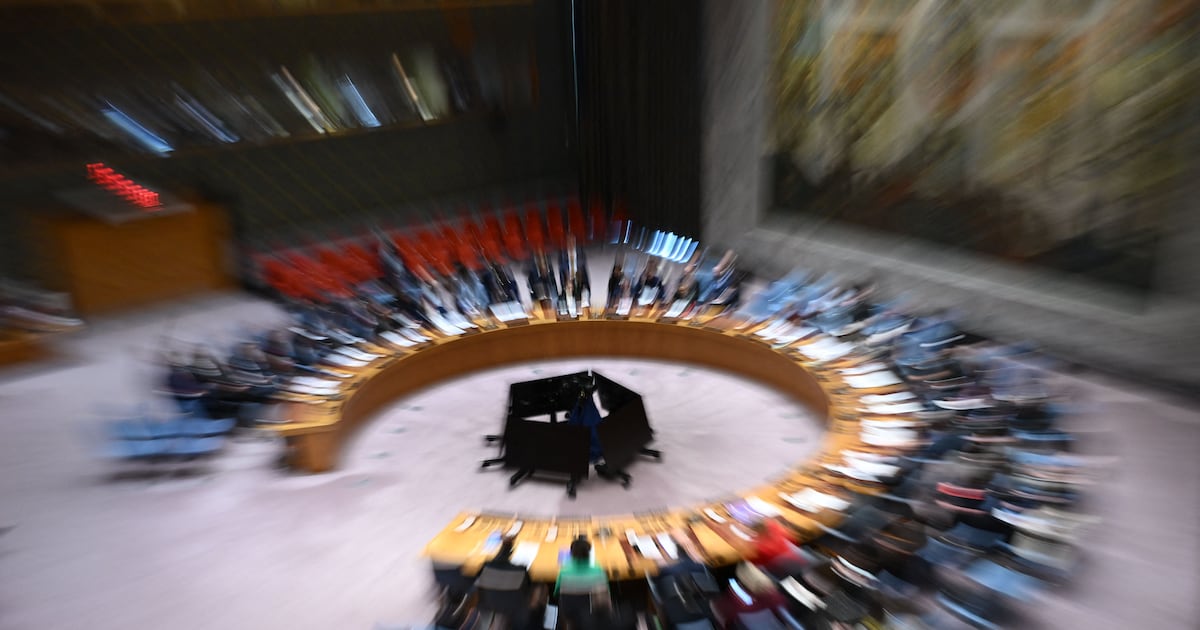
Costa Rica’s Rebeca Grynspan retained a narrow lead in the contest to become the next UN secretary-general after the Security Council held its ninth straw poll. Grynspan received 10 encourage votes and four discourage votes, including two vetoes from permanent members of the Council. The outcome represented a decline from the previous straw poll on November 5, when she received 12 encourage votes.
The UAE’s Lana Nusseibeh received seven encourage votes and six discourage votes, while Argentina’s Rafael Grossi secured eight encourage votes and six discourage votes. Both Nusseibeh and Grossi faced opposition from three permanent members, adding to the difficulty of their paths to the post. Türkiye’s Feridun Sinirlioglu received five encourage votes and 10 discourage votes, including four vetoes.
Friday’s round was significant because it was only the second time that colour-coded ballots had been used in the selection process. The system distinguishes votes cast by the five permanent members — the US, Britain, France, Russia and China — from those cast by the 10 elected members. Opposition from any one of the permanent members can effectively block a candidate, even when that candidate has broad support. The Council first used coloured ballots on October 16 before returning to regular voting in the following two rounds.
The colour-coded ballots were used for the first time for Nusseibeh and Sinirlioglu, providing a clearer indication of whether they could obtain the backing needed to prevail. After the vote, Nusseibeh said she had entered the race because she believed the UN remained indispensable but had to change to meet the current moment. She said she remained committed to the campaign and would continue engaging member states to seek their support.
US Ambassador to the UN Mike Waltz said Washington was focused on selecting the strongest candidate rather than favouring a particular region, while saying it would welcome a candidate from Latin America. Waltz stressed the need for a leader who can reform the UN and play a major role in advancing global peace and security. He also said candidates who had not won sufficient support should step aside so the Council could consider a narrower field.
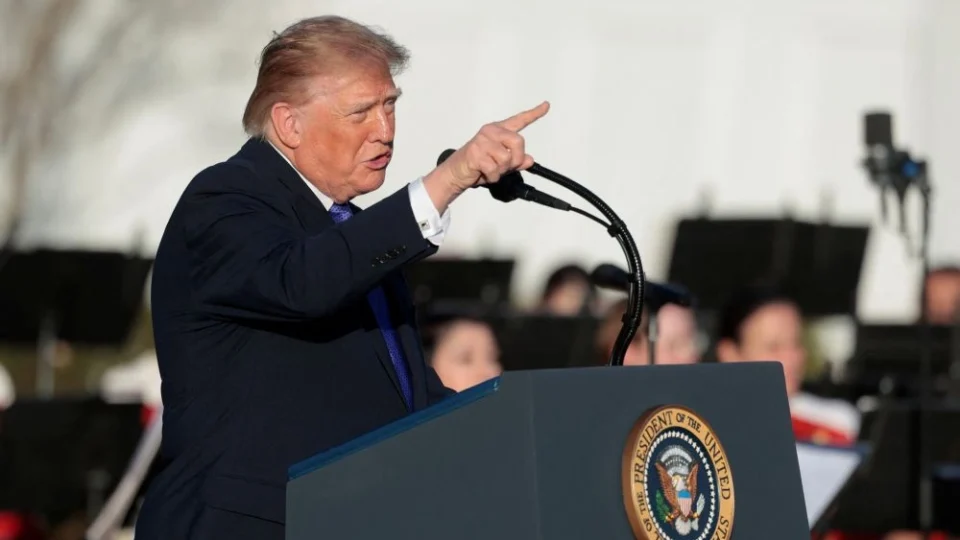
Minh-Thu Pham, co-founder of the Starling Institute and a former adviser to UN secretary-general Kofi Annan, called the results concerning and said there was still no consensus. She said some had hoped trilateral talks involving China, the US and Russia in Shenzhen would bring greater clarity, but that had not happened. This week, Donald Trump, Vladimir Putin and Xi Jinping issued a joint declaration after talks in Shenzhen that included a major commitment to reforming the UN.