A series of expert meetings and discussions was held in Tashkent to examine Kazakh President Kassym-Jomart Tokayev’s address to the people of Kazakhstan, “Current Tasks of Kazakhstan in a New Historical Cycle,” delivered on October 28, 2026. Participants considered the address’s main political and socioeconomic priorities as well as prospects for further development of cooperation between Uzbekistan and Kazakhstan.
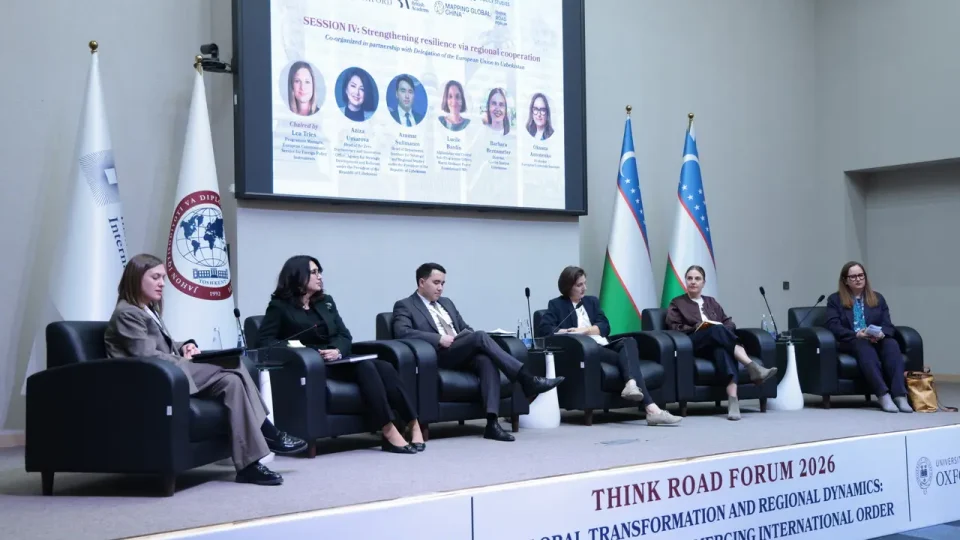
The discussions took place at the International Institute for Central Asia and the University of World Economy and Diplomacy. They were organized jointly with the Embassy of the Republic of Kazakhstan in Uzbekistan and brought together representatives of expert and academic communities, scholars, researchers, political scientists, parliamentarians and diplomats. Leaders and experts from the Institute for Strategic and Interregional Studies under the President of the Republic of Uzbekistan presented their assessments of the address’s key provisions.
Participants focused on Kazakhstan’s political and economic modernization priorities, the prospects for implementing the strategic tasks set out in the address, and opportunities to align the national development programs of Uzbekistan and Kazakhstan. They described the address as an important political event setting Kazakhstan’s strategic direction at a new stage of development. According to the discussion, it reflects a shift from large-scale institutional renewal toward the consistent implementation of practical economic, technological and social modernization tasks.
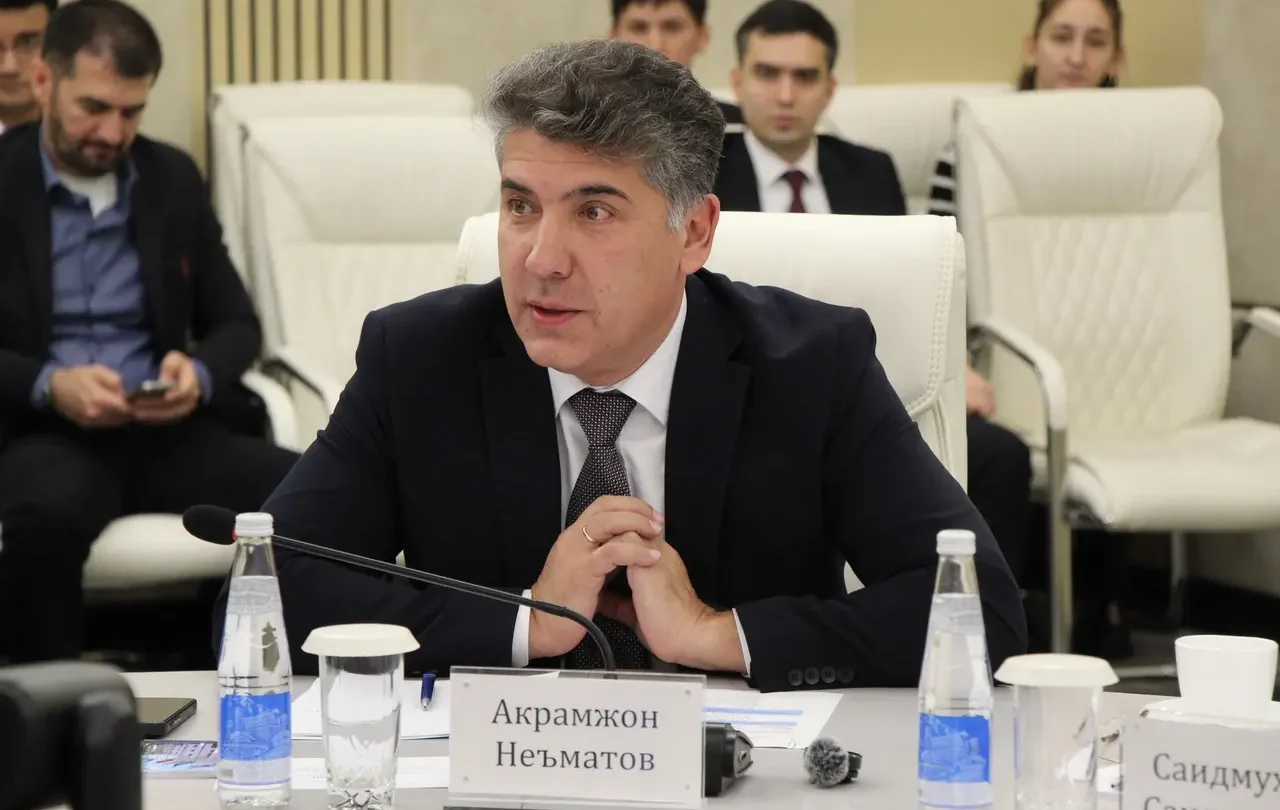
Akramjon Neamatov, first deputy director of the Institute for Strategic and Interregional Studies, said Kazakhstan and Uzbekistan face broadly similar tasks: securing sustainable economic growth, accelerating industrial and technological modernization, developing infrastructure and raising economic productivity. “Kazakhstan’s strategic benchmarks largely coincide with the priorities of the ‘Uzbekistan – 2030’ Strategy. This creates favorable conditions for moving from parallel implementation of national programs to their practical alignment,” he said. Industrial cooperation, transport and logistics and production chains, critical minerals, energy and water resources, artificial intelligence, digital technologies and engineering training were identified as prospective areas of cooperation.
Participants also proposed developing a joint roadmap for aligning the modernization programs of Kazakhstan and Uzbekistan through 2030 and making more active use of the International Center for Industrial Cooperation “Central Asia.” They stressed the need to move beyond developing individual transport routes toward building full economic corridors with manufacturing, logistics, processing and service capacity. These points were proposals and assessments voiced during the discussions; the source does not report an official decision or implementation schedule.