Negotiations at the 31st United Nations Climate Summit, COP31, in Antalya have continued beyond their planned Friday conclusion after countries failed to agree on a common decision text. Following two weeks of talks, a revised draft has not yet been published and the timing of the closing session remains unclear.
Australia, which is chairing the negotiations, is working on a third draft. COP31 President and Minister of Environment, Urbanisation and Climate Change Murat Kurum said at Friday evening’s plenary that only some technical arrangements had been approved. “We are close to the finish line, but we are not there yet,” Kurum said, telling delegations: “The world expects good news from this room.”
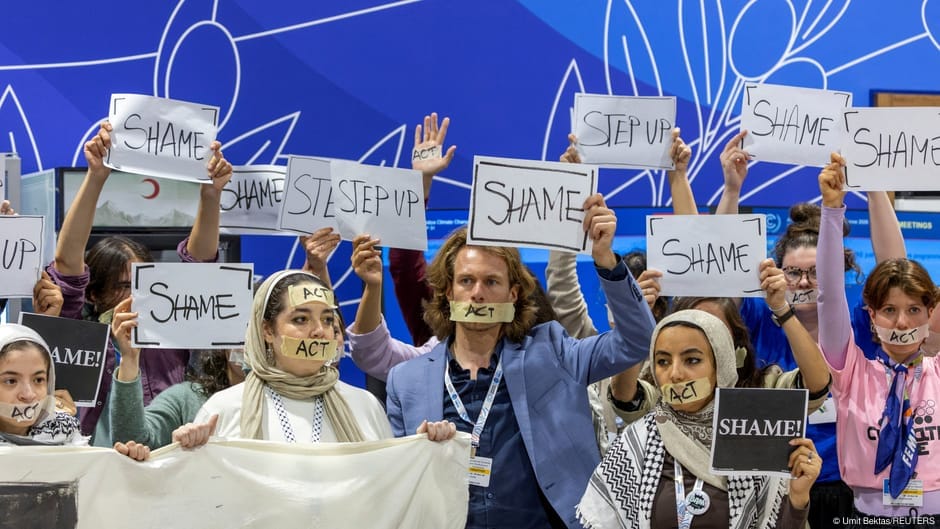
The central dispute concerns references to fossil fuels. An initial draft published earlier in the week called for a faster move away from fossil fuels, but all references to them were removed from a second draft released on Thursday. Producing countries such as Saudi Arabia strongly oppose such language, while Germany, the European Union, small island states and some countries of the Global South want a commitment to move away from fossil fuels included in the decision text.
Twelve countries, including France, Panama and the Solomon Islands, issued a joint letter calling for “clear language on moving away from fossil fuels” in the agreement. Panama said it could withdraw from the negotiations if that does not happen. The EU said the revised draft “risks turning the summit into a fossil fuel summit.”
The draft also proposes raising electricity’s share of final energy demand in the global economy to 35 percent by 2035. Türkiye and Australia support the target. However, the text does not state that the new electricity generation should come from renewable sources, prompting some countries to argue that the target needs to be “clean.”
The latest draft expresses “deep concern” that the 1.5-degree limit on global warming will soon be exceeded. Yet a call to bring warming back below that threshold as soon as possible has been removed from the text. The removal of a $120 billion target for climate adaptation has also drawn criticism. Ghana’s Environment Minister Zanetor Agyeman-Rawlings said: “We did not come here to beg.”
Australian Climate Minister and negotiations chair Chris Bowen said he would continue shuttle diplomacy among delegations “until the job is done.” He said positions were “strong,” but that no one had told him: “Let’s give up and go home.” Climate talks running beyond their scheduled end is a frequent occurrence at UN summits.