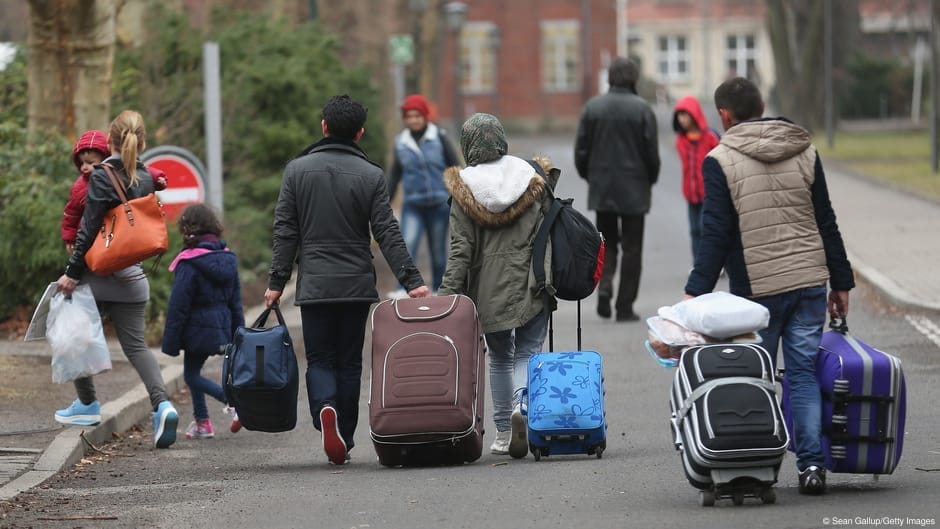
People with a migration history in Germany face a poverty risk more than twice as high as those without one, according to a new report. The “Migration and Poverty Report,” prepared by Paritätischer Gesamtverband using Federal Statistical Office data, said 27 percent of migrants live below the poverty threshold. The rate was 12 percent among people without a migration history and about 34 percent among foreign nationals.
The report linked poverty among people of migrant background to structural disadvantages that begin in the pre-school period and continue through different stages of life. The gap was even more pronounced among children: the poverty rate stood at 33 percent for children with a migration history, compared with 8 percent for other children.
Employment does not provide sufficient protection from poverty for people of migrant background, the report said. Among those in work, the poverty rate was 14 percent for people with a migration history and 7 percent for others. A similar pattern was recorded among people aged 65 and over, with 36 percent of older people with a migration history facing poverty, compared with 17 percent in the other group.
The report also said that the risk of poverty remains high for women of migrant background even when their educational attainment rises. It noted that children in migrant-background families have greater difficulty finding nursery places, that students’ transition rates to upper secondary schools are lower, and that children seeking asylum in particular encounter barriers to education.
Recognition of diplomas and professional qualifications obtained abroad remains a major issue in the labour market, the report said. Paritätischer Gesamtverband chair Katja Kipping said non-recognition of diplomas, low pay, uncertainty over residence status and everyday exclusion deepen poverty. She called for stronger protection against discrimination, faster recognition of foreign diplomas and broader access to language courses. In Germany, people are defined as having a migration history if they or both parents migrated to the country after 1950; those with income below 60 percent of the national median income are considered poor.