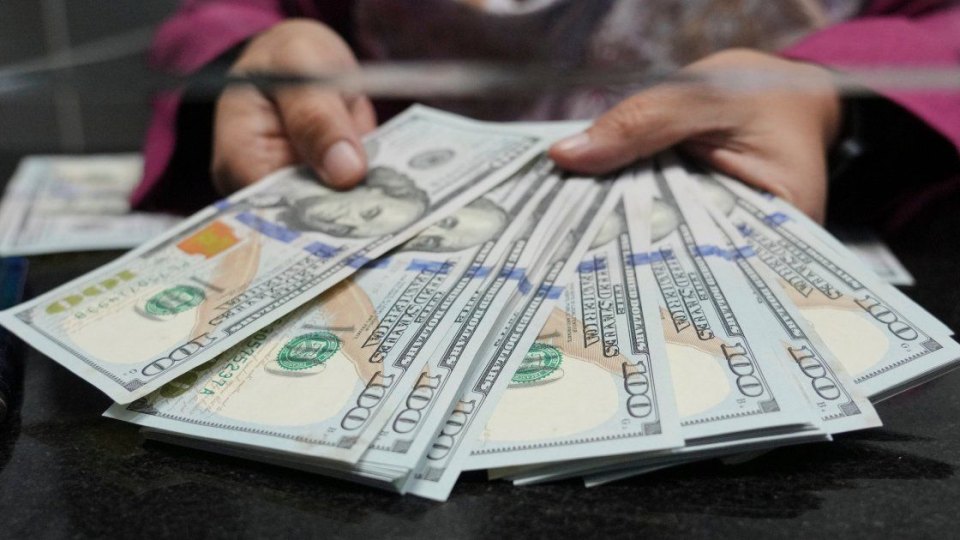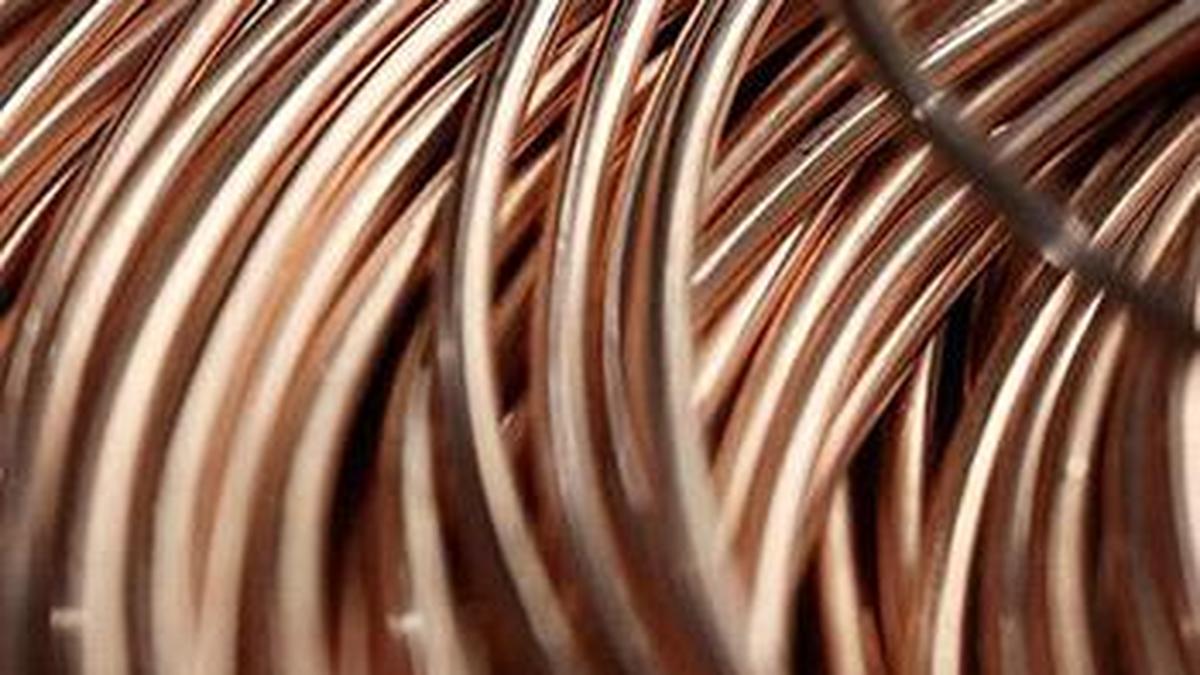
Gold, copper and aluminium prices fell to at least seven-month lows following hawkish commentary on possible US Federal Reserve rate increases. Concerns over global economic growth in the near term also weighed on the metals market.
The London Bullion Market Association benchmark for gold ended the week at $3,521.38 per troy ounce, its lowest level since September 2025. The benchmark copper price on the London Metal Exchange slipped to $12,230.40 per metric tonne, reaching a low of about eight months.
The London Metal Exchange reference price for aluminium fell to $2,824.5 per metric tonne, nearing a roughly one-year low. The source said gold has fallen sharply from its level at the beginning of 2026, declining by more than 25% from its peak, with most of the unwinding occurring over the past couple of months.
Harshal Barot, principal consultant at Metals Focus Limited, attributed the downturn in gold primarily to changing global macroeconomic conditions. “The biggest driver (in price movements) is that the macro story changed,” he said. Barot said that since the Iran-US war, inflation expectations, energy prices and expectations of interest-rate increases had capped gains in the metal.
Comments made last week by Federal Reserve Governor Christopher Waller further reinforced expectations of a rate increase next month. According to the FedWatch tool, traders see a 95% probability of a quarter-percentage-point increase next month, which would lift the target range to 4.00–4.25%. Because gold does not generate interest, higher Treasury yields raise the opportunity cost of holding it and make yield-bearing assets relatively more attractive.
The source said gold analysts expect the metal to trade within a range over the next couple of quarters and into the beginning of FY28, with a near-term range of $3,200 to $3,800. The Federation of Indian Mineral Industries said corrections in aluminium and copper were also linked to profit-taking after the earlier rally and easing supply concerns. It said expectations of increased Indonesian output were putting pressure on aluminium, while concerns over industrial demand and short-term market sentiment had affected copper.