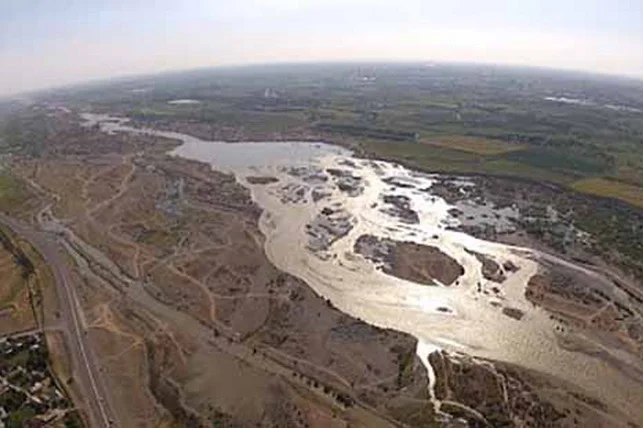
Afghanistan is approaching the completion of the second construction phase of the Qosh Tepa Canal and is preparing to draw water from the Amu Darya. The National Development Corporation of Afghanistan (NDC) said earthworks for the second phase were 99% complete. NDC representative Nabiullah Argandiwal said the corporation expects to direct Amu Darya water to the main intake structure and the main canal in the near future.
Construction of the main water intake facility is continuing, and the corporation said it is overseeing project implementation. Work is also under way on 47 bridges and structures intended to regulate water flows. Afghan authorities did not specify when water deliveries would begin, the anticipated withdrawal volumes, or whether arrangements have been reached with countries downstream on the Amu Darya.
Preliminary estimates put the canal’s capacity at about 650 cubic metres per second. Uzbekistan’s Minister of Water Resources Shavkat Khamraev had previously put the figure at 450–500 cubic metres per second. The canal is expected to irrigate 500,000–600,000 hectares of farmland. Afghan authorities aim to expand cultivated areas and agricultural output, create jobs, and reduce dependence on imports of certain food products.
At a press conference on 19 November, Khamraev said full-scale water withdrawal from the Amu Darya through the Qosh Tepa Canal would not begin before 2030. He said Tashkent maintains a continuous dialogue with Kabul on the use of transboundary water resources. Construction of the 285-kilometre canal in northern Afghanistan began in 2022 and is divided into three phases. The first 108-kilometre section was completed in October 2023, and the project is designed to irrigate farmland in Balkh, Jowzjan and Faryab provinces.