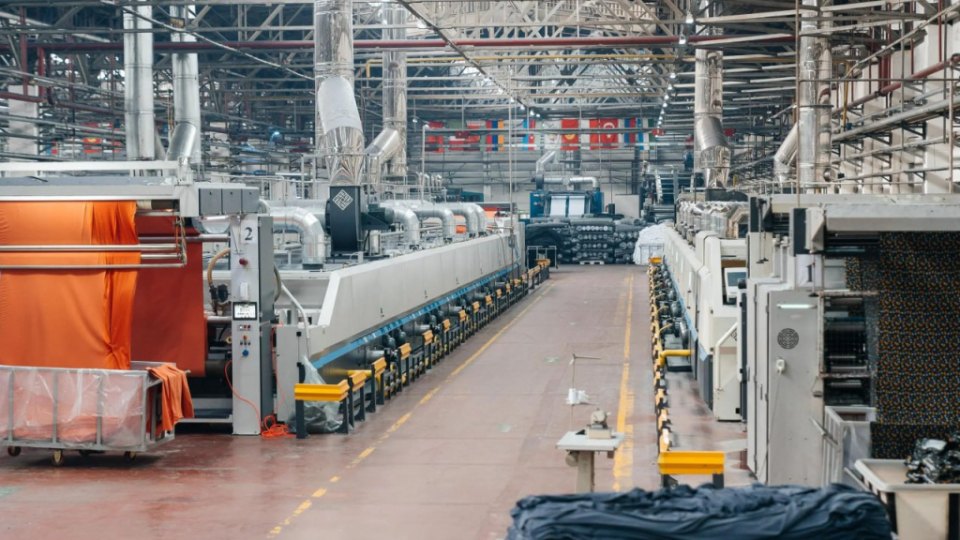
Profits at China’s sizeable industrial firms rose 20.1% in October from a year earlier, according to the National Bureau of Statistics. For the first 10 months of the year, industrial earnings increased 16% year on year, up from 15.5% through September. The figures point to a marked recovery in 2026 after three years of declines and 0.6% growth last year.
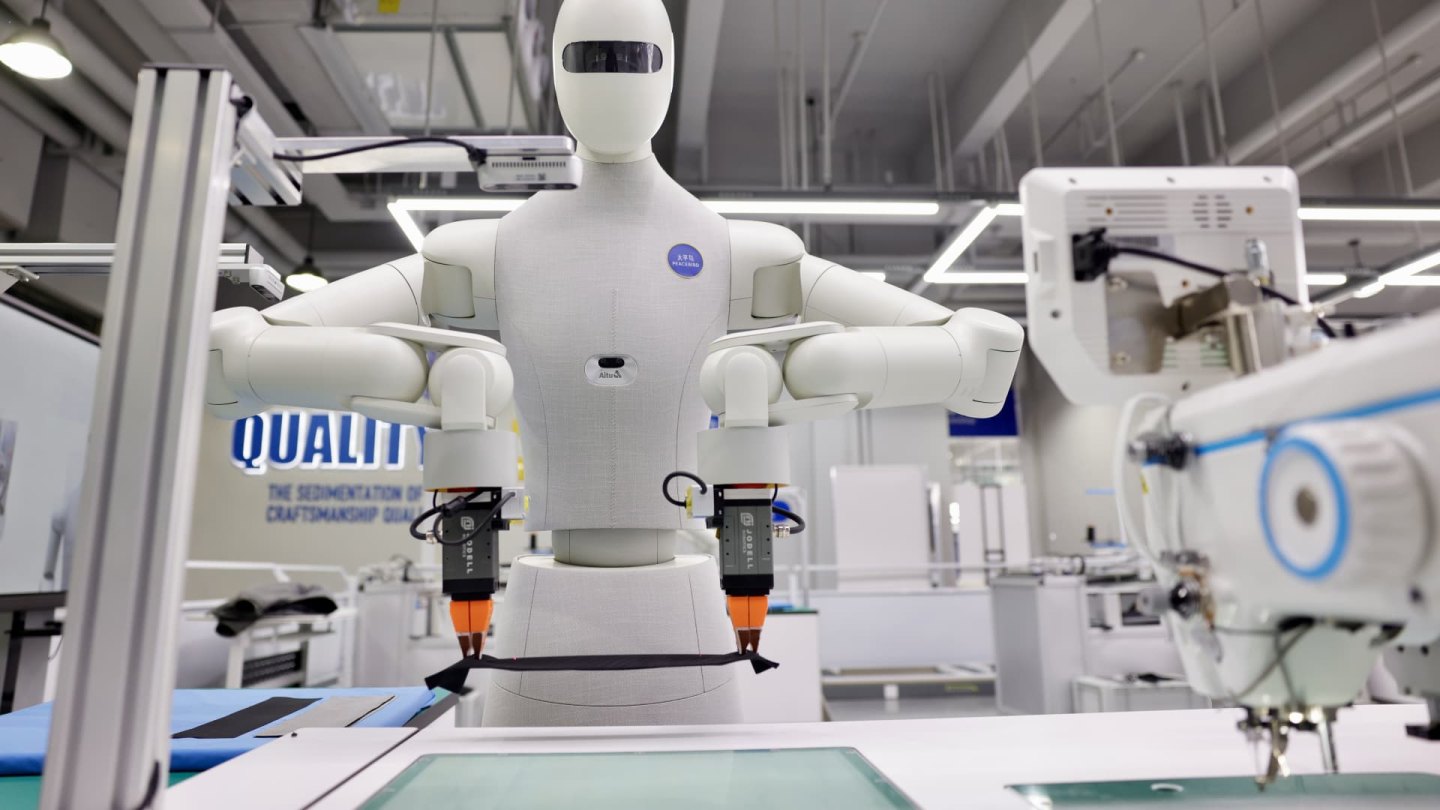
Electronics production tied to artificial intelligence investment and higher energy prices were the main drivers of the increase. National Bureau of Statistics chief statistician Yu Weining said demand for AI computing power lifted memory chips and related manufacturing, doubling electronics-sector earnings over the first 10 months from the same period a year earlier. Profits in high-tech manufacturing rose 50.9%, while makers of spacecraft and launch vehicles recorded a 63.2% increase.
Commodity producers also benefited as demand linked to renewable energy and AI raised copper and aluminum prices. Petroleum processors moved to a combined profit after recording a loss a year earlier. At the same time, weak domestic demand weighed on consumer-facing manufacturers, which struggled to pass higher input costs on to buyers.
Automakers’ profits fell 26% over the first 10 months. Cement, glass and furniture producers, affected by the prolonged property downturn, saw profits fall by 46.7% and 52.4%, respectively. Official data also showed that accounts receivable and finished-goods inventories grew faster than revenue, highlighting pressure on businesses across sectors.
Tianchen Xu, senior economist at Economist Intelligence Unit, said the recovery had not yet developed into a more durable and broad-based improvement in corporate profitability. He said the rebound was largely led by upstream sectors benefiting from higher energy prices. Retail sales rose a below-forecast 0.4% in October, while the decline in fixed-asset investment deepened to 8.1% in the first 10 months.
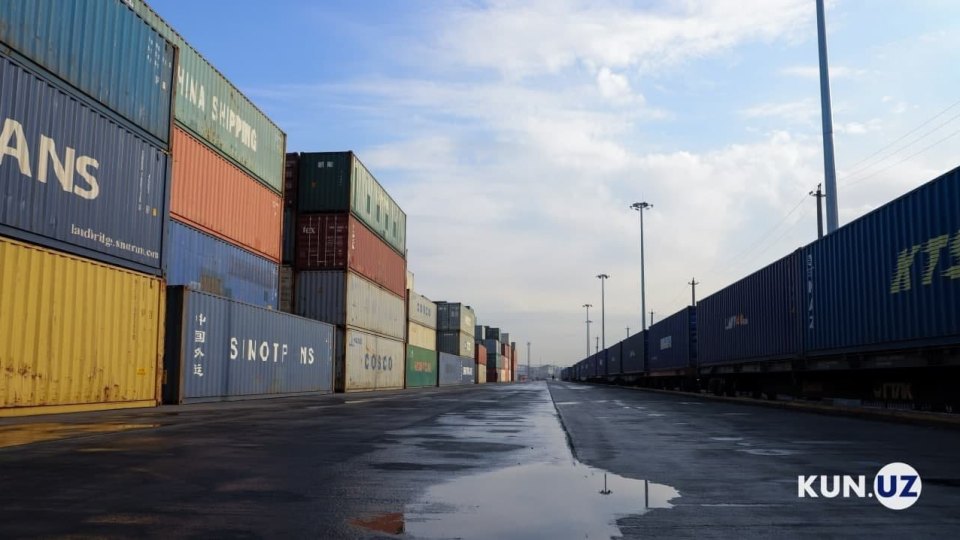
Capital Economics’ China Activity Proxy, which uses indicators such as freight and port traffic rather than official data, estimated that overall activity grew 2.4% year on year in October. Leah Fahy, the firm’s senior China economist, said strong external demand and exports led the expansion while manufacturing for the domestic market remained weak. She said higher fiscal spending by local governments, for the first time since February, had little impact on the property slump or domestic demand.
GDP growth of 4.6% in the first three quarters put Beijing’s annual growth target of 4.5% to 5% within reach. Fahy said that if global AI-related investment slows, exports would provide less support to growth; in her estimates, overall economic expansion will ease to 2.8% next year from 3.9% in 2025. Trade risks also include proposed new US tariffs featuring a 20% headline rate on Chinese goods and punitive rates for several Asian economies; the levies would rise to 40% if the US-China truce is not extended beyond January.