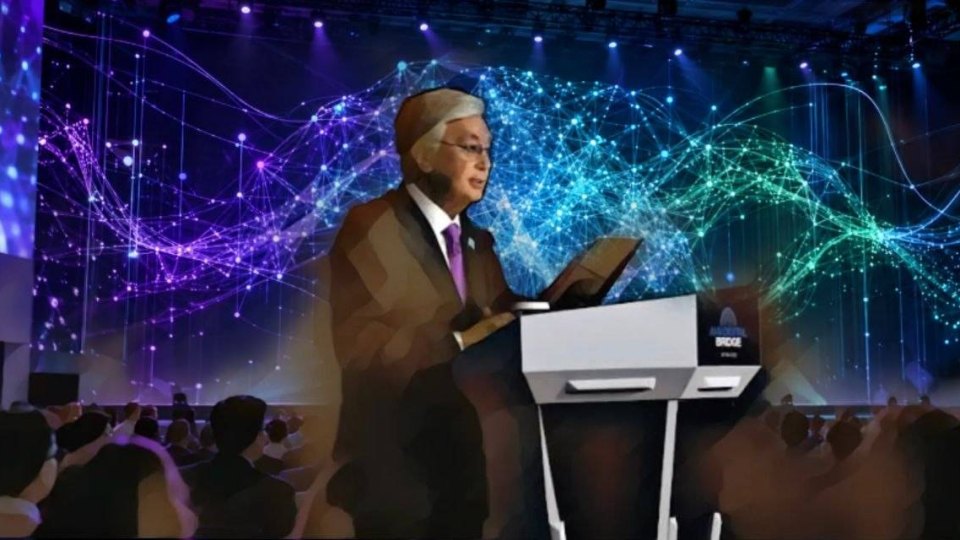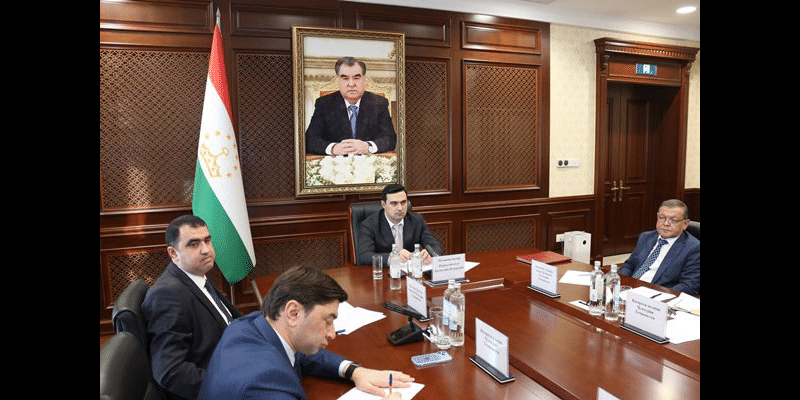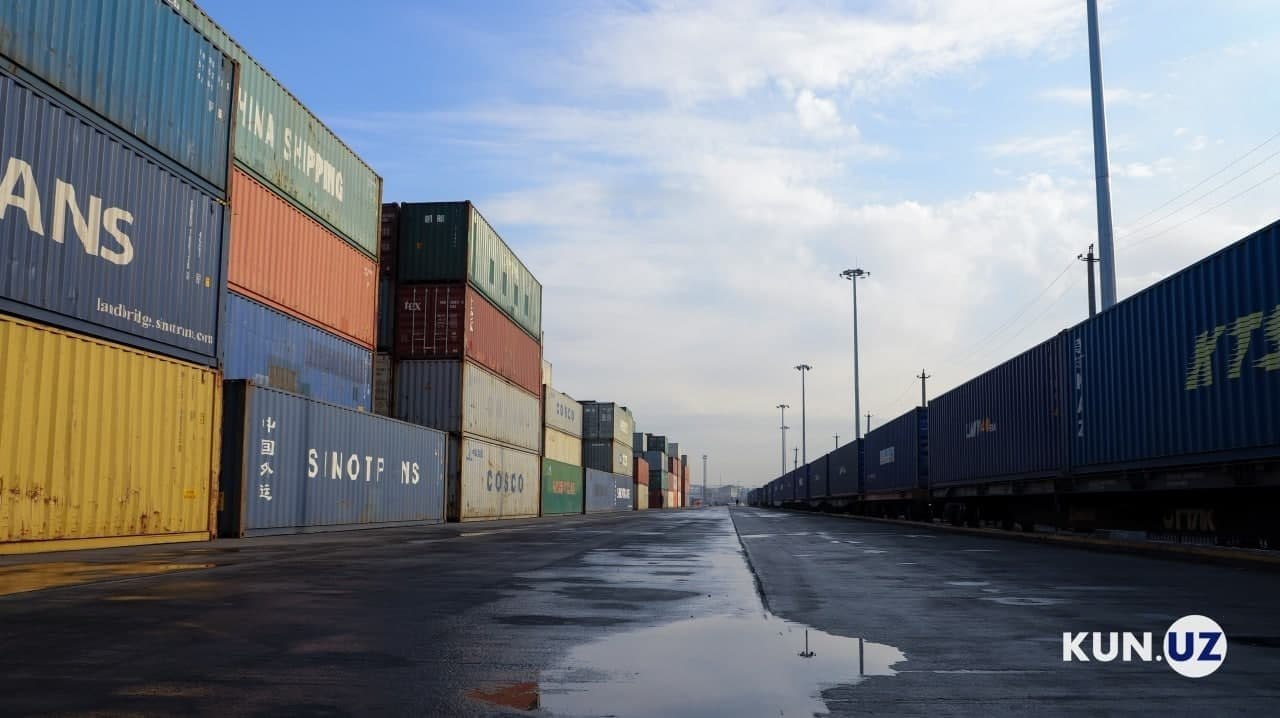
Uzbekistan has set out transport and logistics measures as it seeks to become a major inland port linking East and West, as well as North and South. President Shavkat Mirziyoyev said on 27 November, at a meeting with investors and entrepreneurs in the transport and logistics sector, that the country has every opportunity to achieve that goal.
It was noted at the meeting that the potential of the Middle Corridor is not yet being fully used. Officials were instructed to finalise agreements with Azerbaijan, Turkmenistan and Georgia on the mutual recognition of electronic cargo documents.
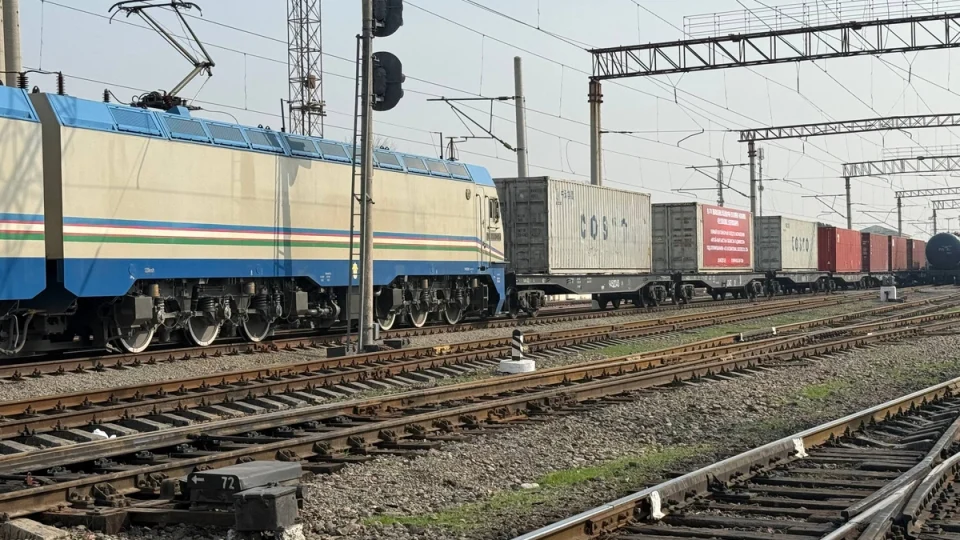
Authorities were also tasked with establishing block-train services from Uzbekistan to ports on the Caspian Sea, the Black Sea, the East China Sea and in the Baltic states. Businesses are to be informed about the planned services.
Demand for freight wagons is rising year by year, and the wagon fleet needs to expand by 5,000 to 6,000 units annually, according to the meeting. Imports of freight wagons will be exempt from value-added tax, while fees for using railway lines will be discounted by up to 20 percent. A zero VAT rate will apply when locally produced wagons are provided for international cargo transport.
Mirziyoyev said a new tariff policy for the railway sector had been developed jointly with the World Bank. Officials were instructed to begin phased implementation in 2027. From next year, a system is to be introduced that separately lists charges for railway-line use, locomotives and wagons on each route.