According to the Turkish Federation of Women’s Associations (TKDF), 391 women were killed by men in Türkiye last year, and 65 percent of the killings took place in the women’s own homes. The We Will Stop Femicides Platform reported that at least 1,617 women were killed between 2021 and 2025. It said that protection orders or other measures had been issued for eight of the 150 women killed in the first six months of 2026.
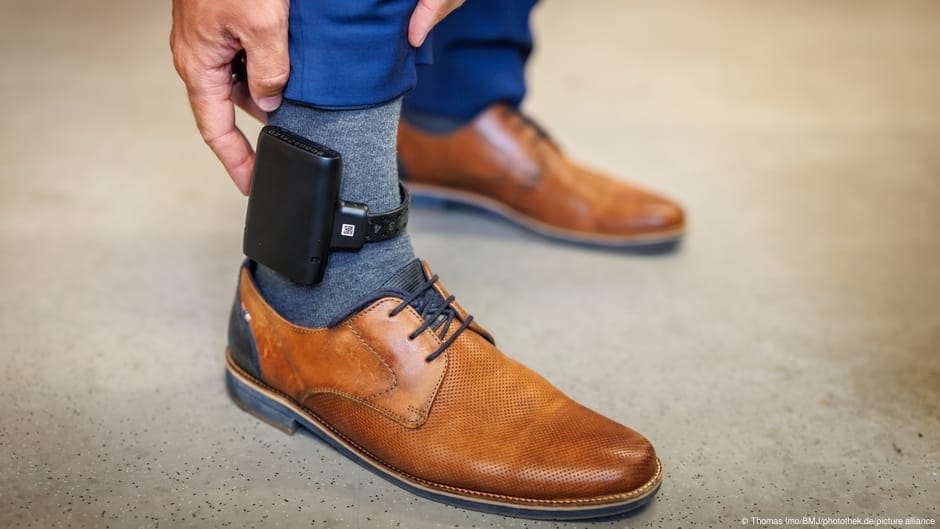
Turkish law allows measures such as removal from the home and restraining orders to protect women from violence. Electronic bracelet monitoring of restraining orders is based on Article 12 of Law No. 6284 on the Protection of the Family and Prevention of Violence Against Women, which entered into force in 2012. The programme began as a pilot in Ankara and Izmir on March 8, 2015, and was expanded to all 81 provinces in 2021. The person accused of violence wears a bracelet, while the protected woman receives a monitoring device; when the safety distance is breached, the monitoring centre alerts the parties and directs law enforcement teams to intervene.
O.B., who said she filed a criminal complaint in 2024 alleging “sexual abuse” by her former spouse, said the defendant was released under judicial supervision in 2025 after spending about one month in detention. She said she learned through a call from the police domestic violence unit that he had been released without a bracelet despite the court’s decision, and that she had to seek its installation herself. O.B. said the device malfunctioned repeatedly and monitoring was interrupted because the bracelet was not charged. She said a police officer calling from the monitoring centre told her, “We can no longer track the defendant’s location.”
O.B. said the Violence Prevention and Monitoring Centre (ŞÖNİM) learned of two bracelet violations only after speaking with her, adding: “I often felt that I had to be the one ensuring coordination.” Lawyer Aylin Moralıoğlu said a lack of devices, tender procedures or full capacity could delay bracelet installation, while malfunctions, supply problems and areas without signal disrupted monitoring. Lawyer Arzu Sena Topuz said that in a femicide case she followed in Ankara, the system detected an approach but sent the alert to a relative rather than the woman. Of 12 questions submitted via CİMER to the Ministry of Justice, the General Directorate of Prisons and Detention Houses, the Ministry of Interior and the Public Procurement Authority, seven requests were rejected; the five responses provided did not include numerical data or outcomes.