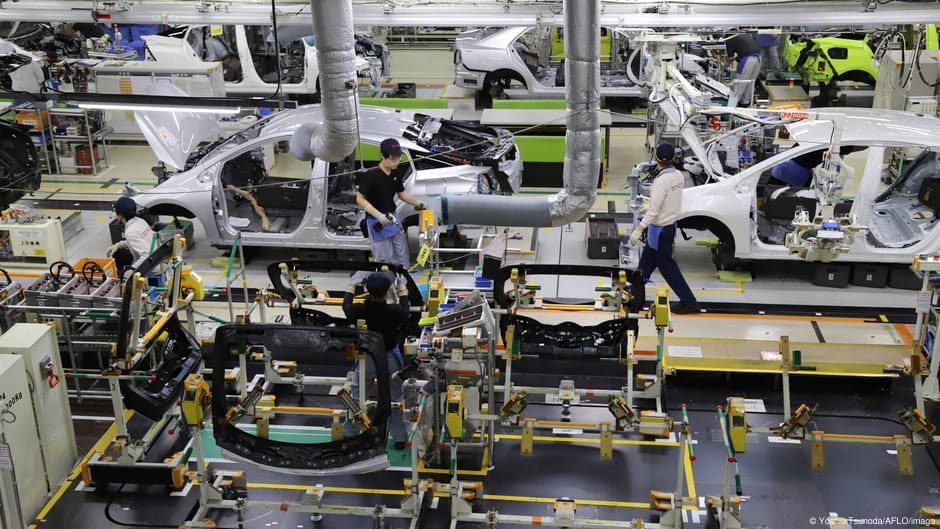
Some Japanese automotive suppliers are moving into the defence sector amid intense global competition from Chinese carmakers. Aster, which produced components for Toyota for many years, now makes electric motors for unmanned aerial vehicles produced by US military technology company Anduril. The company entered the defence sector last year and now derives 10 percent of its total revenue from that business.
Aster chief executive Takenobu Hongo described drone production as “a much better line of business.” He said making motors for the automotive sector was not very profitable for the company at present. Kyowa Industrial, a producer of car engine components, also makes parts used in missile systems; the share of defence activities in its annual sales rose from 3 percent in spring 2025 to 10 percent today.
The government led by Prime Minister Sanae Takaichi aims to increase Japan’s defence capacity in response to threats from China, Russia and North Korea. It has pledged to draw up a new security strategy by the end of the year. The strategy is expected to include a roadmap for strengthening the arms industry that was dismantled after Japan’s defeat in the Second World War. The Ministry of Defense’s Acquisition, Technology and Logistics Agency is assessing the capacity of automotive suppliers, connecting them with weapons manufacturers and offering new financing options.
According to the Japan Automobile Manufacturers Association, factories in the country produced about 900,000 fewer vehicles in 2025 than they did a decade earlier. Japan nevertheless remains the world’s third-largest vehicle producer, with an industry that makes more than eight million vehicles a year and accounts for one-tenth of total employment. Domestic drone production remains very limited: trade data compiled by the Taiwan Institute for Democracy, Society and Emerging Technology showed Japan exported just over 1,100 drones last year, while Taiwan sold about 123,000 abroad.
The shift from automotive production into defence remains largely confined to small component suppliers for now. Toyota, Honda and Nissan are reported to be reluctant to pursue defence projects because of their commercial operations in China and concerns over reputational risks. Mitsubishi Electric finance director Kenichiro Fujimoto said some auto parts makers had declined to join a new military drone project because they feared a backlash from their main customers.