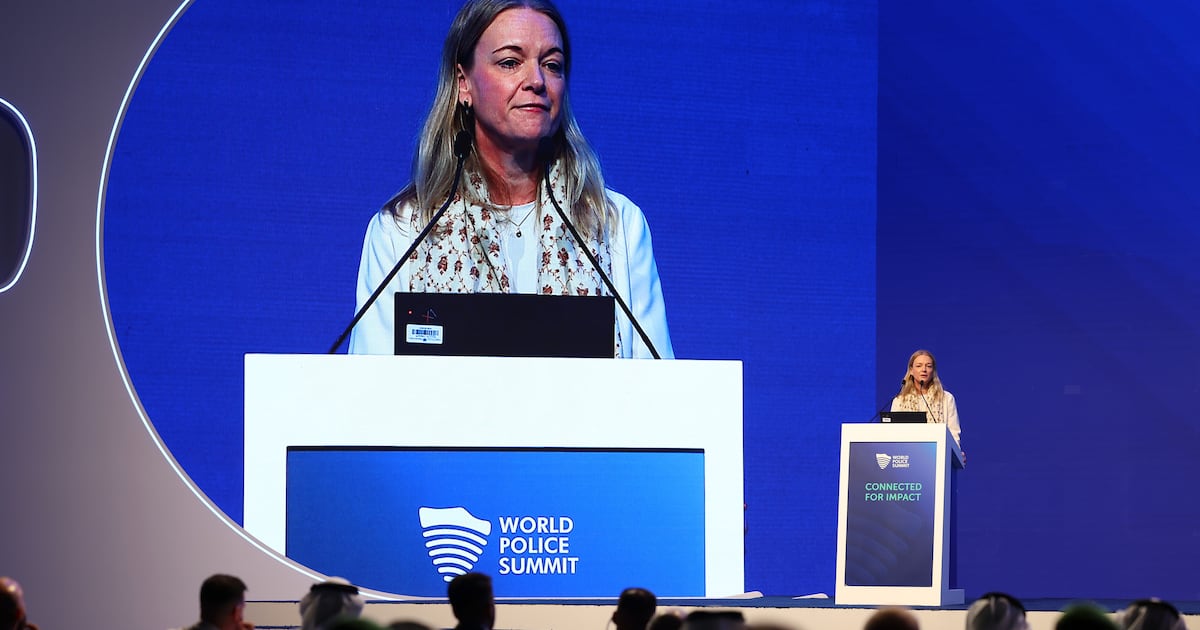
Methamphetamine is gaining ground across the Middle East as criminal groups seek to fill the gap left by the collapse of Syria’s Captagon trade, a senior UN official has warned. Siri Bjune, chief of the border management branch at the UN Office on Drugs and Crime, told the World Police Summit in Dubai that the end of the conflict in Syria had disrupted Captagon production and weakened the networks that sustained the market, while methamphetamine was becoming increasingly entrenched in the Near and Middle East.
Syria was the world’s largest source of Captagon under Bashar Al Assad, whose regime fell in December 2024. Bjune said the shift illustrated how rapidly criminal groups could respond to law-enforcement pressure and changing market conditions. The UN World Drug Report 2026 found that 331 million people worldwide used drugs in 2024, up 34 per cent from a decade earlier. Bjune said drug use had reached historically high levels.
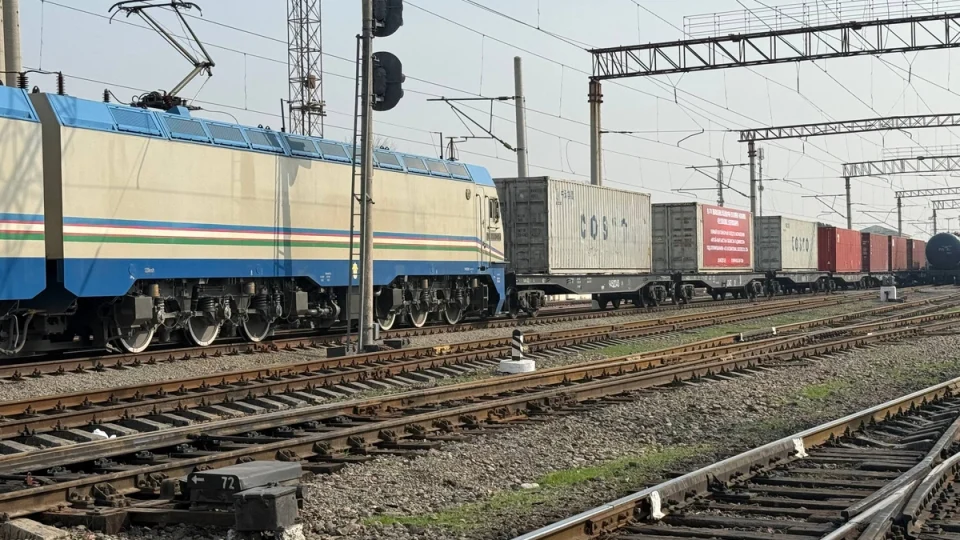
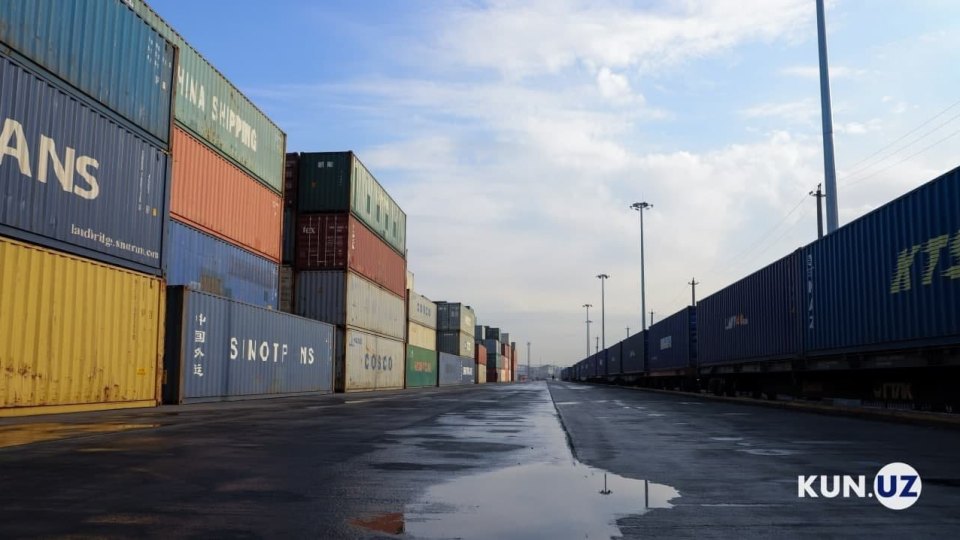
North America, East Asia and South-East Asia remain methamphetamine’s largest markets, but traffickers are increasingly pushing the drug into new regions, including the Middle East. Bjune said traffickers were diversifying routes through smaller ports, new transit corridors and sophisticated technologies. She also warned that the Taliban’s ban on opium production in Afghanistan appeared to be weakening. Cultivation rose more than fourfold in a year, from about 10,000 hectares in 2025 to more than 43,000 hectares this year, while remaining below pre-prohibition levels. Opium has generated an estimated $525 million for traffickers in Afghanistan so far in 2026, she said.
Stephen Fry, Interpol’s executive director for investigation support, described how a package washed ashore on South Korea’s Jeju Island helped expose a trafficking network spanning nine countries. The plastic package appeared to contain green tea but held ketamine. By comparing imagery and intelligence from earlier seizures shared by member countries, Interpol linked cases that had appeared unrelated and identified 24 tonnes of ketamine concealed in the same distinctive green-tea packaging across nine countries. Fry said ketamine had become the fastest-growing drug on Interpol’s radar, and that ketamine seizures surpassed methamphetamine seizures for the first time during Operation Lionfish-Mayag. The operation also seized enough fentanyl for an estimated 63 million potentially fatal doses.
Fry said traffickers were concealing drugs in everyday goods including leather, paprika and paint, while using doctored customs paperwork to evade detection. He said artificial intelligence was making convincing fakes far easier to produce. Gabor Sztankovics, a regional adviser at UNODC, said police should target the business models, markets and supply chains behind organised crime rather than focus only on seizures and arrests. He said action against hard-to-replace specialists handling encrypted communications, cryptocurrency and money laundering could inflict more lasting damage on criminal groups than closing individual supply routes.