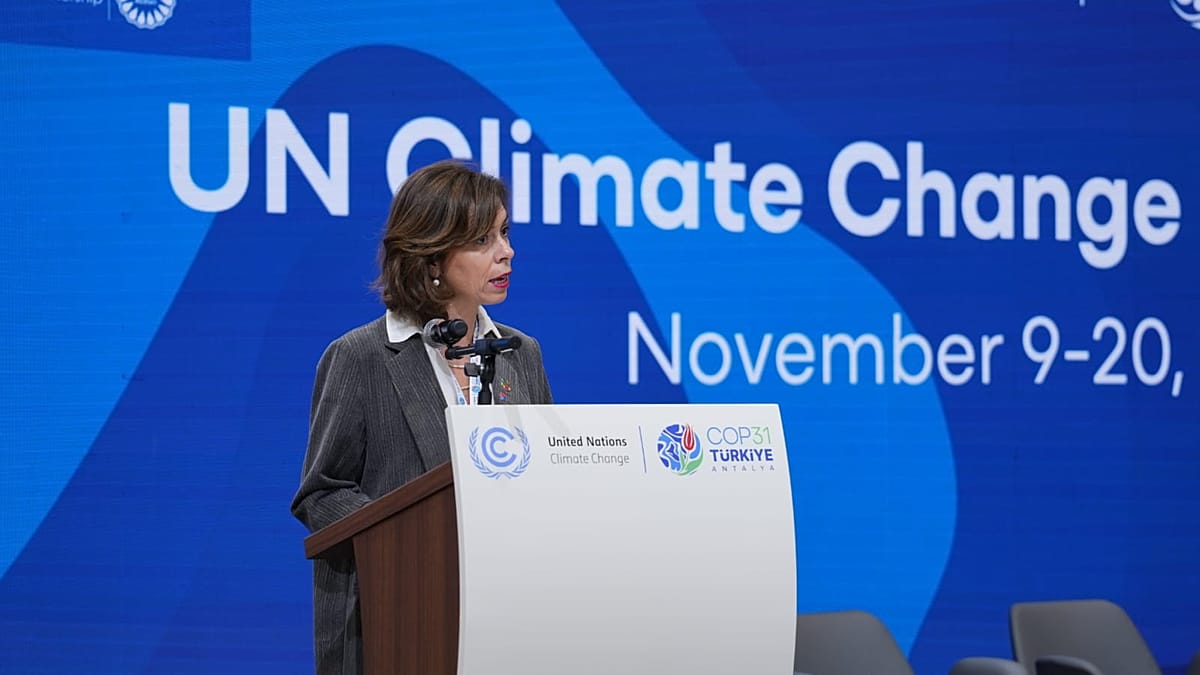
Women in Europe and Central Asia spend 3.4 times more time on unpaid care and domestic work than men. Belén Sanz Luque, UN Women Regional Director for Europe and Central Asia, said the imbalance limits women’s opportunities to earn an income, pursue education and take part in public life. She called on governments to strengthen care services and ensure that unpaid care responsibilities are shared more fairly.
The Chisinau Care Action Agenda for Europe and Central Asia (2026–2030), launched on 2 November and accepted by 15 governments to date, aims to place care services at the centre of economic and social policy, public investment and gender equality work. Sanz Luque identified sustainable financing, quality care services, decent work for care workers, fairer distribution of unpaid labour, changes in social norms and stronger accountability as core priorities. Governments are advised to turn those priorities into costed national action plans backed by clearly defined institutional responsibilities and gender-responsive budgets.
According to Sanz Luque, ageing populations, migration, displacement, war, conflict and climate-related crises are increasing pressure on families and existing care arrangements. She stressed the need to expand affordable, quality childcare and community-based services for older people and persons with disabilities that respect dignity and individual preferences. Parental leave, workplace arrangements, decent pay and access to social protection were also identified as important elements of a comprehensive care system.
Sanz Luque said climate change is making stronger care systems more urgent. UN Women’s latest global brief says at least 1.5 billion women and girls already live in areas severely affected by the climate crisis. In two-thirds of households without water at home, women are responsible for collecting it, while under a high-emissions scenario the time spent collecting water could rise by as much as 30 percent by 2050. UN Women says only 4 percent of climate-focused official development assistance globally prioritises gender equality.
She also highlighted growing intimidation, legal pressure and security threats facing women environmental and human rights defenders. A regional study drawing on data from the Office of the United Nations High Commissioner for Human Rights identified 403 verified attacks against environmental defenders in 18 countries and territories between 2015 and 2026, including 112 targeting women. About 53 percent of recorded attacks involved deprivation of liberty, while 26 percent involved legal or administrative harassment. Sanz Luque called for independent, confidential protection mechanisms developed with the participation of women defenders.