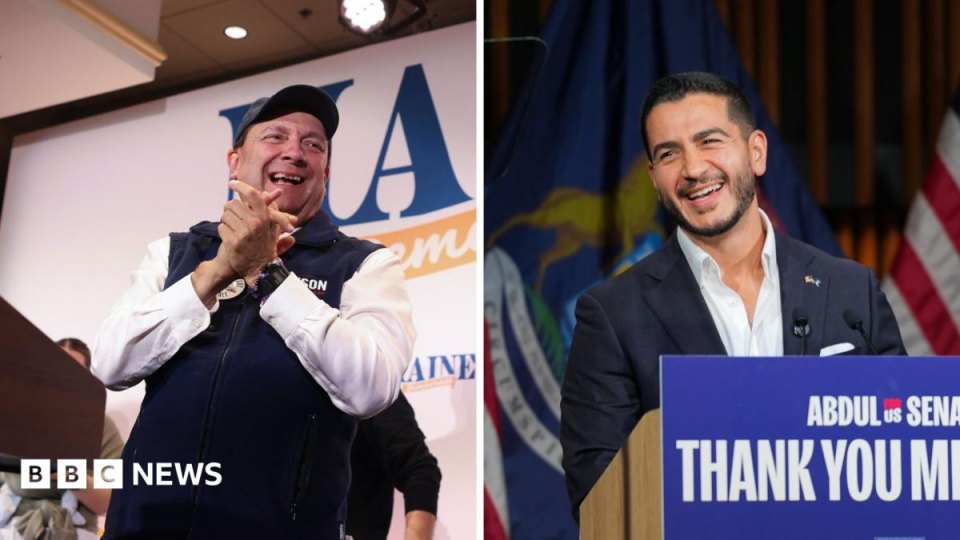
After Republicans suffered a defeat in the US midterm elections, Democrats secured majorities in both chambers of Congress: the Senate and the House of Representatives. The source says voters reacted to policies that had raised the cost of living, with the war in Iran and a hard-line trade policy pursued through tariff threats also cited as factors behind the result.
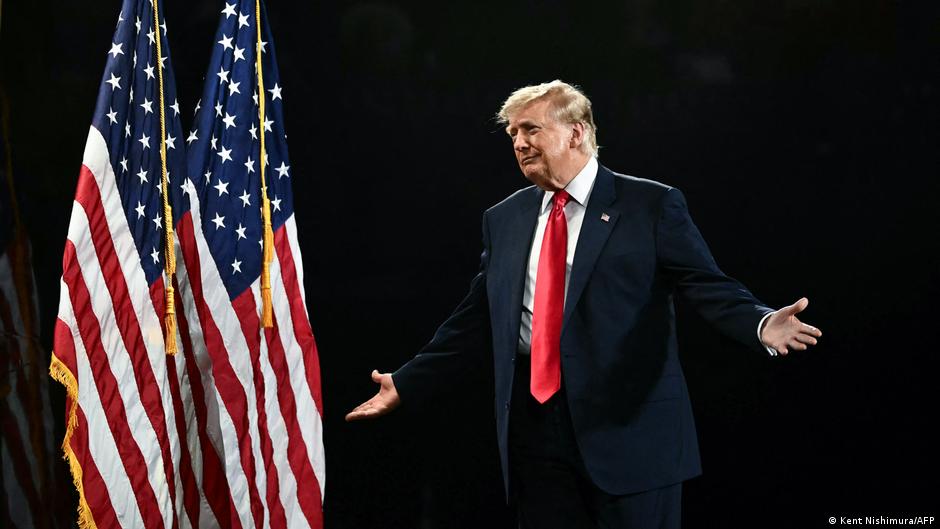
The new balance of power in Congress could create political obstacles for President Donald Trump’s economic agenda. Trump, however, retains the power to veto legislation. Before the election, he said he would become “Mr. Veto” if Democrats won a majority. After the results were announced, he told Politico that he did not want to spend the rest of his term vetoing everything and would work with Democrats, while adding that he would use his veto power if he considered it necessary.
Political observers say the contest between Trump and Democrats could lead to legislative gridlock in the period ahead. A stronger Democratic presence may also complicate Trump’s large investment plans and planned regulations for artificial intelligence, which he has described as “super intelligence.” The source says public opposition to data centres contributed to Democratic candidates’ victories and that greater resistance to building such facilities could slow growth in artificial intelligence technologies.
The election outcome is also being examined for its implications for Trump’s leverage in global trade. Polling shows that 56 percent of Americans believe Trump’s tariffs have had negative effects. Some economists say countries that made investment commitments under tariff pressure may be less inclined to rush to meet Trump’s demands now that Democrats are stronger in Congress. They also say this could give China an advantage in ongoing trade talks.
Japan and South Korea had pledged investment in the United States under agreements reached with Trump amid tariff pressure. Japan’s commitment stands at $550 billion and South Korea’s at $350 billion. Heo Yoon, a professor of economics at Sogang University, said Democrats appear to view the investment commitments as having been imposed on allies, suggesting that countries may feel “less pressure” to fulfil them.
Other experts argue that Trump may continue his hard-line trade policy and put greater pressure on countries that pledged investment despite political and legal constraints at home. Professor Kuzahiro Maeshima of Sophia University said, “The tariff issue is not a closed matter. If Japan drags its feet, calls for additional tariffs could return to the agenda.” Professor Ban Kil-joo of the Korea National Diplomatic Academy said congressional oversight of such projects could give Seoul “time” to review and assess them.