Tuesday’s US midterm election results have raised hopes in Canada for relief from American tariffs. Tariffs featured prominently in campaigns in Michigan and Maine, where Democratic candidates recorded major victories. Ontario Premier Doug Ford called the result “a victory for Canada” on Wednesday morning, saying: “I was doing cartwheels down the street.”
The outcome is not expected to bring Canada quick tariff relief. But the political shift could create a more favourable environment for Ottawa to secure the best possible deal as trade talks with Washington resume after repeated interruptions. Affordability was a leading concern for US voters before the midterms, and a September survey by the Cato Institute indicated that about 75% believed tariffs had raised prices.
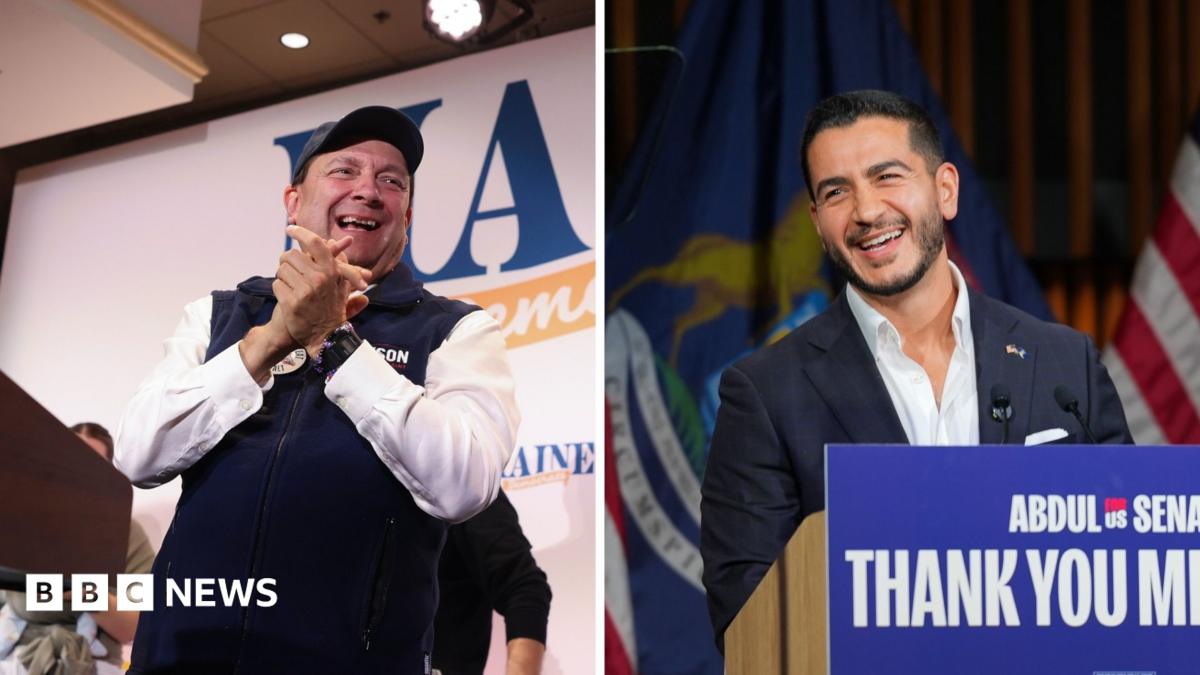
In Maine, Republican Senator Susan Collins clashed with the White House over tariffs. She successfully pressed for the removal of some duties directly affecting the state, including those on road salt, refrigeration equipment and seaweed, but ultimately lost to Democrat Troy Jackson. In Michigan, where the auto manufacturing industry is closely connected to Canada, Democrat Abdul El-Sayed defeated Republican Mike Rogers. In Ohio, Senator-elect Sherrod Brown, who beat Republican Jon Husted, called the levies “a disaster” and pledged to reduce costs for voters by removing them.
Democratic control of Congress may not immediately alter the tariff picture, however, because many of Trump’s levies were imposed through executive orders without congressional approval. Canada faces several layers of tariffs, notably in autos, steel, aluminium and forestry. After talks collapsed in August, the Trump administration imposed an additional 50% tariff on C$20bn (£15bn) worth of Canadian goods, ranging from dairy products to cosmetics and furniture. The US also announced a total import ban on motorcycles, whey protein and alcohol. Canada responded with its own 50% “dollar-for-dollar” tariffs on the US, while most provinces banned sales of US alcohol.
Days before the vote, Trump said a trade deal was “very close” after speaking with Prime Minister Mark Carney. Carney said on Tuesday evening that US negotiators were “asking less and they’re offering more” in recent discussions. US-Canada Trade Minister Dominic LeBlanc said the midterm results would change nothing in the short term. Conservative Party of Canada leader Pierre Poilievre said the broad unpopularity of the tariffs gave Canada “massive leverage”. The source does not provide exact calendar dates for the election or these statements.